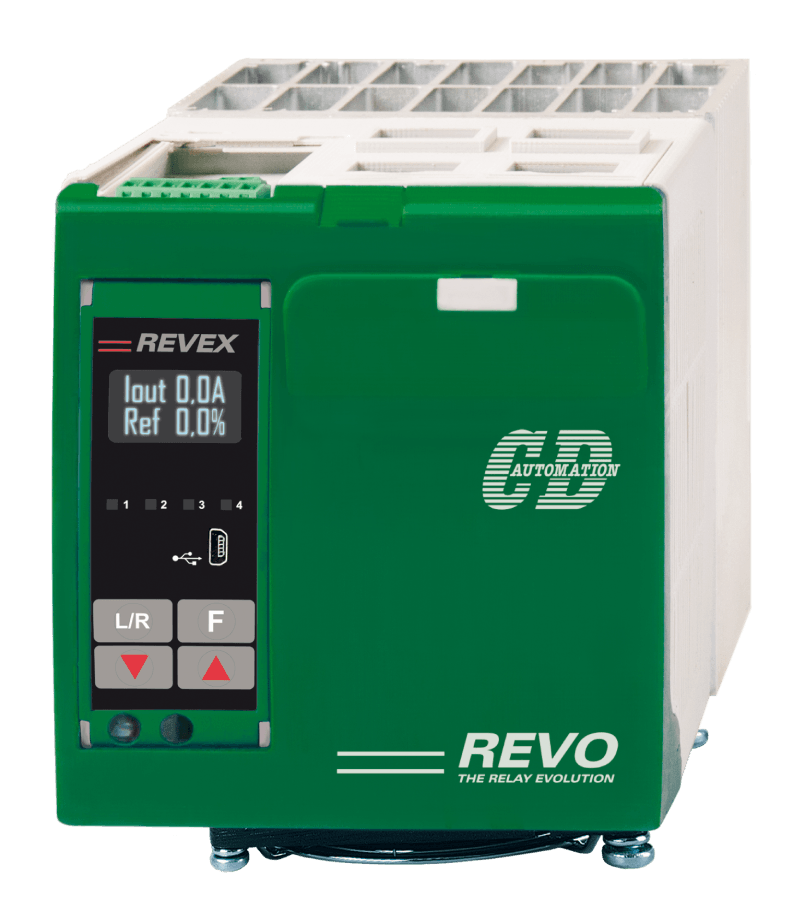
Thyristor controllers regulate electrical output by switching AC voltage on and off at high speeds. They primarily utilize two control methods:
Phase Angle Control: Varies the conduction angle of the AC sine wave to provide continuous, smooth power adjustment. Ideal for inductive loads and fast-responding heating elements.
Burst Fire Control (Zero-Cross): Switches full AC cycles on and off in packets. This method minimizes Radio Frequency Interference (RFI) and is best suited for standard resistive heating elements.
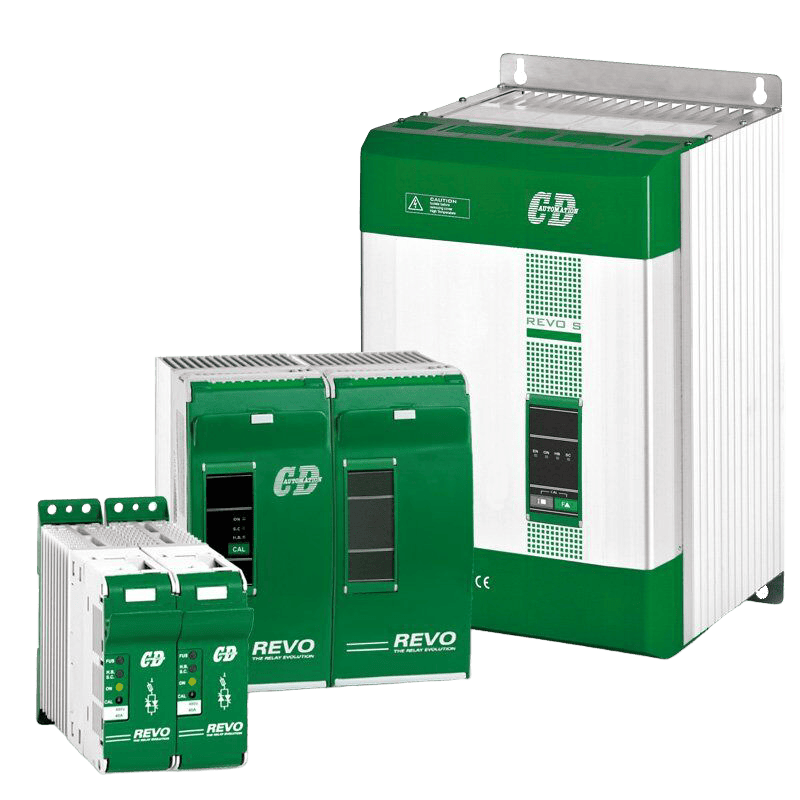

START WITH YOUR APPLICATION
A few details help identify the right control approach. Use this guide to prepare your requirements for our engineering team.
You don’t need a complete specification to get in touch.
Application guidance only. This does not validate a specific model or configuration.
SPECIFY WITH CONFIDENCE
A thyristor power controller regulates electrical power in response to a signal from your temperature controller or PLC. The right specification depends on how the heater behaves, as well as the power it needs.
A power controller regulates electrical power to the heater. A temperature controller compares a sensor reading with the setpoint and determines the heating output required. These functions often sit in separate devices, although some systems combine them.
Often, but it is not always a direct substitution. Supply, load, control signal, cooling and protection must be checked. Solid-state controllers do not provide mechanical isolation; suitable isolation and independent protective measures remain necessary.
Better control may reduce overshoot, unnecessary heating or production waste where these are present. Coordinated multizone control may reduce simultaneous demand. Savings depend on the process, existing system and tariff, switching technology alone does not guarantee lower energy consumption.
Start with your supply voltage, heater power or current, load type and control signal. For a replacement, send the model code and a photograph of the rating label. A drawing or heater specification is also useful.

